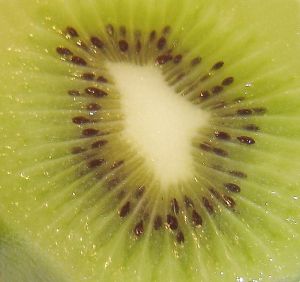
Looking at the current state of health in the United States, you can really see that we are in need of a diet and nutrition overhaul. The increase of viruses, parasites, cancers, and chronic health problems are clear warning signs, and perhaps we would all find that fountain of youth if we turned back the clock on our food preparation methods. Highly processed foods lack the nutritional value and benefits of raw foods, which add a healthy host of beneficial micro-organisms to our diets. These micro-organisms make foods easier to digest, and increase healthy flora in our intestinal tracts and help to kill the bad bacteria that can leave us looking as sluggish and weak as we feel.
Sunday, September 11, 2011
The Benefits of Eating a Raw Foods Diet
Posted by
miss appropriate
at
4:29 PM
0
comments
Categories: Diet and Nutrition, Healing Foods, Illness Prevention, Natural Foods
Becoming More Alkaline, Avoiding an Acidic Body, and Maintaining Proper pH Levels
Acidic pH levels in the body cause strain and stress on the organs, affecting a person’s overall health. It forces the body to borrow calcium, sodium, potassium, magnesium, and other valuable minerals from vital organs in order to neutralize the acid and force it out of the body. If the condition is allowed to continue over a period of years, it can cause premature aging, immune deficiency, joint pain, aching muscles and lactic acid buildup. Yeast and fungal overgrowth is very common among people who are over-acidic, as well as low energy, chronic fatigue, weight gain, obesity and diabetes.
Posted by
miss appropriate
at
4:29 PM
0
comments
Categories: Destructive Foods, Diet and Nutrition, General Health, Healing Foods, Illness Prevention, Natural Foods
Saturday, October 04, 2008
Diet and Exercise to Relieve and Control Restless Legs
Eat a whole foods diet, including plenty of foods high in B vitamins, such as sunflower seeds, cashews, brewers yeast, and whole wheat flour, as well as meat products such as beef kidneys and liver. High iron foods such as: red meat, black strap molasses, nuts, legumes are extremely important, and provide a wide variety of other naturally occurring nutrients necessary to maintain proper health.
Antioxidants, such as green tea, cranberries, cherries, and deep colored greens such as broccoli and collard greens should become an important part of the daily diet, as well as foods high in bioflavonoids with naturally occurring vitamin C, folic acid, and vitamin E.
Avoid constipation and greatly reduce the intake of refined sugars, drinking coffee, caffeine, cola and soda. Eat and drink foods that are rich in Vitamin A and beta-carotene, along with naturally occurring vitamin C and bioflavonoids, such as carrot, parsley, and celery juices, rhubarb, plum and prune juice can be especially helpful.
Along with proper diet, you may find it helpful to wear supportive leggings or stockings, which will help to increase circulation. Propping up the legs at night or adding a small board under the foot of the bed can reduce the buildup of excess fluids in the legs, which can also cause varicose veins.
Developing a daily exercise routine is essential to maintaining proper circulation in the legs, as well as throughout the body. Yoga, ballet, pilates, and tai chi are all excellent forms of exercise for the toning and strengthening of the leg muscles, followed by massage before you relax for the evening. If you don’t have access to a personal masseuse, you can opt for the store bought version!
Posted by
miss appropriate
at
12:26 AM
0
comments
Categories: Diet and Nutrition, Healing Foods, Natural Foods, Vitamins and Minerals
Monday, January 14, 2008
The One Day Natural Cold Remedy Provides Relief
In today's busy world, one day could cost you more than a day of pay. If you're like most of us, you can't afford to be away from the office or the job for a whole work-day. But colds and coughs have a way of lingering, and sometimes could get worse and become a more debilitating illness. We have a doctor in the family who used to say to us, "If you have a cold and do nothing - it will last about a week. If you have a cold and go to the doctor, he will prescribe something for it - and it will last about a week." In other words, there is no cure for the common cold. However, there is relief.
A cold is a virus that typically causes inflammation in the nose, throat and bronchial tubes. The inflammation causes mucus to form, which the body tries to loosen and expel through coughing and sneezing. Coughing can cause further irritation in the throat and airway, which in turn will produce more mucus. The key to reducing and easing the symptoms of colds and coughs is to eliminate the mucus and reduce the inflammation. Although there is no actual "cure" for the cold, you can greatly reduce the misery you suffer while the virus runs its course.
I must warn you, this may make some people uncomfortable - even just thinking about it, so if you are sensitive - please look away now. Okay, I realize you can't read the rest of the post while you look away, so be warned that the rest of this post describes information about cleaning mucus from the nasal passages, and should not be considered medical advice.
While there are utensils on the market that are intended for cleaning the nasal pasages, you will find that they do not cleanse as thoroughly as the following method. You can actually do a better job of cleaning your nasal passages with a teaspoon of salt and a pint of warm water. Sniff the water and blow it out, repeating until your nasal passages are free of mucus. This will not only help to cleanse the mucus you currently have, but also work to "dry out" the nasal passages. This can also work in the case of sinus congestion.
Posted by
miss appropriate
at
5:25 PM
4
comments
Categories: General Health, Healing Foods, Healing Herbs, Home Remedies, Make It at Home, Natural Foods, Women's Health
Thursday, December 06, 2007
Great Holiday Sugar Substitutes and Alternatives
Let's face it . . . sweets taste good. Holiday treats bring some of the sweetest delicacies of the year. But that doesn't mean that you have to load up with table sugar, or sacrifice flavor to stay healthy during the holiday season. There are plenty of healthy sugar substitutes and alternatives to create your holiday goodies.
For bread type deserts as well as cookies, you can use concentrated white grape juice. Since it is a liquid, as opposed to sugar, you will need to adjust the amount dry ingredients to compensate for the extra moisture. White grape juice concentrate is extremely sweet, and yet doesn't give the desert an overpowering fruity flavor. Be careful to get 100% fruit juice, and not a cocktail type juice, which has added sugar or high-fructose syrup.
Honey is a well known sugar substitute, and offers a sweet alternative to sucrose (or table sugar.) Again, be sure to adjust any recipe to compensate for the additional moisture that honey will give to your cookie doughs or cake batters. Honey is great in cream cheese frostings, especially with a touch of vanilla, lemon, or almond flavoring!
Raw agave nectar is a delicious and healthy sugar alternative, and is much like honey in texture. It is available in most health food sections of the grocery store, or your local herb or health food store. While it is much more expensive that other sugar substitutes, it is a great alternative to syrups for breakfast, sweetening tea, or recipes that don't call for very much sugar. For the price, you probably won't want to use it for all of your baking needs, but you'll definitely find use for it, and it's a great sweet substance to have on hand. Both honey and agave nectar are wonderful in holiday drinks, such as egg nog.
If you have a recipe that just won't work without that sugary sweet flavor, try using natural sugars, such as unbleached sugar or raw sugar. It is still sugar, but much healthier than the ever popular, highly processed and bleached table sugar. So go ahead - have your sweets and eat them too!
Posted by
miss appropriate
at
12:22 PM
0
comments
Categories: Creative Cookery, Diet and Nutrition, Food and Drink, Make It at Home, Natural Foods, Recipies
Friday, August 31, 2007
Drinking Aloe Vera Juice Aids Digestion
One of the most common modern uses for the aloe vera plant is as a healing agent to burns, cuts, or other wounds, and to reduce the severity of scarring. Aloes are some of the most healing plants found in nature, and are considered to be in the bitter category of herbs, and is a cathartic herb, helping to evacuate the bowels. If you're not already aware of the fact that you can take aloe internally, check for some in your local health food store. It's not particularly a tasty drink, but the benefits are simply incredible, and aloes contain a large variety of amino acids, vitamins, minerals and enzymes. When taking aloes, it is beneficial to either drink it either an hour or two before your first meal, or just before bedtime. Since it has such a positive effect on the digestive system, it is an excellent remedy for irritable bowel syndrome, or IBS. It promotes regularity, prevents and relieves constipation, and is an excellent laxative.
Aloe is one of the best herbs to clean out the colon. It should be considered superior to over-the-counter (OTC) laxatives, which can have a much harsher result and could even disrupt your day with their unpredictable effects. Aloe is a much gentler method of relieving your symptoms. Aloe is also an excellent alternative to OTC "colon cleanse" concoctions, as aloe works naturally to gently break down impacted food residues and morbid matter from the stomach, liver, kidneys, spleen, bladder and colong, thoroughly cleansing the bowels. A toxic colon is the cause of a wide variety of illnesses. Since this process helps to reduce intestinal bloating, as the symptoms are eased the stress and discomfort subside as well.
If you enjoyed this article, you may also enjoy reading these:
Posted by
miss appropriate
at
10:08 PM
0
comments
Categories: Food and Drink, General Health, Healing Herbs, Home Remedies, Natural Foods, Vitamins and Minerals
Tuesday, July 17, 2007
Turning Watermelon into Candy
My kids just love watermelon. But they always leave a mess when they eat it, and making melon balls just gave me the opportunity to make my own mess. I
wanted a cleaner way to let them eat it, and have a large supply of the fruit available for them to eat. So a few years ago, I decided to try out dehydrating watermelon. I wasn’t sure how well it would work, due to the large water content, but the end result was a treat for the taste buds comparable to candy. Here is how I did it:
Slice watermelon about ¼ inch thick, and place in the dehydrator. Dry the fruit for about 12 hours, then turn it over. At this point, it may be extremely sticky or soggy, but don’t fret – just continue to dehydrate another 12 hours on the other side. Once the melon is dry, pull it off, it may be stuck and similar to the consistency of a fruit roll-up.
I found that dried watermelon was passable as candy when I tested it on a few children in the neighborhood. Not only was it a hit, but the parents asked me where to buy it! They couldn’t believe that it was just dried watermelon – but they were sure impressed.
You can grow your own watermelon in the spring, summer, and fall - dehydrate anything you don't eat, and save it for winter. This is an excellent way to enjoy the flavor and healthy benefits of real watermelon all year long, without worrying about high supermarket prices or seasonal shortages!
Posted by
miss appropriate
at
11:49 AM
6
comments
Categories: Creative Cookery, Fruits and Vegetables, Make It at Home, Natural Foods, Recipies
Friday, May 25, 2007
The Sourdough Came Out Great!
Okay, so I haven't posted very recently, but I was extremely distracted by the fun of making sourdough! With my first jar of sourdough starter - I didn't throw away the recommended 1/2 portion, I actually transfered it to another jar (jar #2), and fed it along with jar #1. The next day it had grown again, and I poured the hooch off the top of jar #1's contents, discarded the hooch, then stirred the remaining starter. (Hooch is the liquid that forms on the top of your starter.)
With jar #2, I stirred the hooch that had separated - back into the starter. I fed both jars of starter equally, not throwing away any again. After the third day of feeding the two starters every 24 hours, I had a pretty sour smelling (in a pleasant way) starter in both jars. That's where the fun started.
I took half of each, and made the bread recipe first with one jar, and the other portion I put into jar #3. The kids loved the bread, my husband loved the bread. (He actually doesn't like sourdough, but he kept sneaking bits off of my portion, and said it was wonderful bread, but a little too sour for him.) So I fed the three starters, and planned some neat ideas to try for the next day.
When I awoke, my three jars of starter had each doubled, and I knew I'd better get ready to bake. The starter had a layer of froth on the top, and was bubbly throughout, so I knew it was ready, and is what you would call "proofed starter". So I made an unmeasured version of a cross between the bread and soft pretzels. (Just thought I should experiment while I had multiple batches of starter ready to go!) I probably used about 1-1/2 cups of starter, about 3 tbsp. sugar, 1 tbsp. salt, 1 tbsp. oil, and enough flour to make a flexible soft dough. I set the dough to rise in a warm place (my oven - every hour or so I would turn it on, wait a moment, then turn it off, but if you have a light bulb in the oven, leave it on and that will be warm enough.)
When the dough had about doubled, I kneaded it again, and then separated it into golf-ball sized pieces. I rolled each piece between my hands to make a rpe. and then shaped them into pretzels. Back into the oven they went, and I let them rise and nearly double again. This sime when I took them out, I dropped them into boiling water one at a time until they float, then removed them. If they floated upon dropping them in, I removed them right away. I placed them onto a lightly greased pizza pan (comparable to a cookie sheet). I then used an egg wash (1 egg mixed with a tablespoon of water) and topped with sea salt. You can also use coarse salt. I baked them at 400 degrees on the top rack for about 10 minutes, or until golden. I have also had success baking them at 350 degrees for about 10 mintes, and they were just as delicious. (As I said, I've been having fun with the starter!)
Another thing I did with the sourdough bread was add about 1/4 cup of parmesian cheese, 1 tbsp. Italian seasoning, 1 tsp. pepper, 1 tbsp. garlic, 2 cups of proofed starter, 2 tbsp. sugar, 1 tbsp. salt and enough flour to turn the dough into a light and silky dough. I let it rise to double the size, and then shaped it into a loaf and let it rise to double again. Then I turned on the oven, with the risen loaf inside, to 350 degrees, and baked it for about 20 to 40 minutes, or when browned on top.
I am now down to just two jars in the fridge, jars #1 and #2. I made about 4 dozen pretzels, 2 loaves of bread, 10 breadsticks, and 1/2-dozen bagels. It was loads of fun, and I took a rest from it for a few days, and my starter jars now reside on the top shelf of the fridge for now. I plan to use them again in a day or so, but perhaps I'll take it a little slower next time.
Posted by
miss appropriate
at
9:06 PM
1 comments
Categories: Creative Cookery, Food and Drink, Make It at Home, Natural Foods, Recipies
Saturday, May 12, 2007
Easy Sourdough Starter Recipe - No Added Yeast!
Years ago, I used to make sourdough bread with just the yeast the flour and the air contained. I searched the internet recently, and actually found a
very similar recipe, and as it turns out - one that's centuries old!
The starter is simple to make, just one cup of flour, and one cup of water. That's all you need, and probably a jar to keep it in once you've got your starter. For more information on making and fermenting your starter, and how to keep it and store it, this site seems to have very clear-cut instructions. I've purchased my jars, and am ready to get going on my starter. Hopefully I'll have a really tasty loaf of sourdough in a few days to a week!
If you enjoyed this article, you may also enjoy reading these:
Posted by
miss appropriate
at
10:40 PM
2
comments
Categories: Creative Cookery, Food and Drink, Make It at Home, Natural Foods, Recipies
Thursday, May 03, 2007
How to Make Artichokes - And Eat Them, Too!
One of the local stores in my area had a special on artichokes. Now, we live in a small town, so word spread fast. I got to the store, five artichokes for $5.00. Well, I'm from California (where nearly all
U.S. artichokes come from), and it just didn't seem like a bargain to me. But I bought five of them anyway, they did look delicious. I eat mine with an unhealthy dose of mayonnaise, which some Californian's consider to be the "right" way. You can also use lemon juice, eat them plain, or another unhealthy choice - butter. They can be stuffed with just about anything, such as other vegetables, meats, or fish - and then baked. The can also be boiled, grilled, or steamed using a pressure cooker.
They are cooking as I write this, and I just realized that there were people out there who may wish to buy some, but aren't sure how to cook - or eat - an artichoke. They are fun to eat, taste delicious, and one or two is great as a meal in itself. But for those who want some simple instructions, here's a few links to get your artichokes cookin' - so have at it, and enjoy!
- For more step-by-step instructions, visit How to Make Artichokes Using a Pressure Cooker.
- For step-by-step instructions on how to cook artichokes, bright ideas, and entertaining anecdotes about artichokes, as well as instructions on how to eat them, Simply Recipies.
- For some extra, added flare, learn how to stuff them by visiting What's Cooking America.
Technorati tags:
food, health, healthy foods, nutrition, recipies
Posted by
miss appropriate
at
9:21 PM
0
comments
Categories: Food and Drink, Fruits and Vegetables, Make It at Home, Natural Foods, Recipies
Monday, April 02, 2007
Cancer Cell Growth and What They Feed On
Cancer is one of the most well known and feared diseases, affecting millions of people every year. But by gaining an understanding of what feeds a cancer cell, you can learn to create an environment within your body that makes it extremely difficult for cancer cells to live. You may be surprised at which foods feed cancer cells, and it's not just foods. Substances used in our cookware, food storage containers, and wraps, as well as how we cook our foods, and other envronmental and emotional factors can encourage the growth of cancer cells.
Cancer cells thrive in acidic environments, and feed off of substances already present in the body such as mucus, or substances you put in your body, such as sugar and milk. Your body can become more or
less acidic depending on your diet, with certain foods either helping to lessen the acidity, and other foods producing the acidic environment in which cancer cells thrive. With sugar and milk being major contributors to the growth of cancer cells, it could be speculated that the morning breakfast of cereal and milk could be could be creating the perfect growth medium for cancer. Sugar is hiding in most of our store-bought foods, and should be avoided as if it were cancer itself.
Since milk encourages the body to produce mucus, especially in the gastrointestinal tract, (among other extremely harmful effects of milk,) it can also be assumed that the combination of milk and sugar together could have detrimental effects on the immune system and the ability to fight off the growth and production of cancer cells. Meat based diets are acidic, an also produce the perfect growth medium for cancer cells. Meats like beef and pork (which are known to cause other health issues as well,) are livestock animals. These animals are raised on antibiotics and growth hormones, (including rBST and BGH) which are extremely harmful to our bodies, and commonly contain parasites (especially pork). Fish helps promote a healthy system, and chicken is far less harmful than other animal meats.
Eliminating the presence of milk and sugar from the diet, as well as lowering the acidity of the body, can work to "starve" cancer cells, giving them little to nothing to feed off of. An alkaline environment is a cancer "unfriendly" place for cells to grow. This can be achieved by developing a diet high in fresh vegetables and juices, whole grains, seeds and nuts, and some fruits. Limiting the amount of cooked foods in the diet can be extremely beneficial, providing your body with enzymes that promote and build healthy cells. Cooked foods should include beans, vegetables, fish, and rice. It's a good idea to keep in mind when preparing meals that these enzymes are destroyed at tempuratures of 104 degrees F (40 degrees C) and above.
Other factors that can produce a cancer friendly environment include caffiene, heavy metals in tap water, acidic distilled water, undigested meats, sugar substress and anger, and lack of oxygen in the cells. Green tea is a powerful anti-oxidant, and contains substances that actually fight cancer. Dioxin chemicals also cause cancer, and can get into your food sources through plasics. Avoid microwaving in or on plastic, such as fridge-to-microwave storage containers, and plastic wrap. Dioxins can also be found in water that has been frozen in a plastic water bottle, and should not be done. Heating high-fat foods in the microwave in or on plastic can also lead to dioxins entering into the body. Use containers and plates made of tempered glass, Corning Ware, Pyrex, or ceramic containers for microwave cooking and heating. Ramen and frozen dinners should be removed from their plastic containers before microwaving. Use paper towels instead of Saran Wrap to cover foods when heating, because the toxins actually melt out of the plastic wrap and drip onto the food.

Posted by
miss appropriate
at
2:00 PM
0
comments
Categories: Destructive Foods, Diet and Nutrition, Food and Drink, General Health, Natural Foods
Saturday, March 17, 2007
Getting the Most Leafy-Green Nutrition Out of Your Salads
Chances are, if you don't know a whole lot about the valuable nutrition of the various types of lettuce, you're buying a bag of pre-mixed lettuce, carrots, and cabbage, dabbing some dressing on it, and calling it a salad. Don't get me wrong, eating a salad of any kind beats a burger in the
vita-race hands down. But iceberg lettuce is not the most nutritious lettuce you can offer up in your salads. Iceberg lettuce is mostly water, and does not offer a great deal of nutrition or dietary fiber. However, there are plenty of options to make your salad a gourmet treat, while getting more of the vitamins and fiber your body needs.
There are a great number of colorful varieties of lettuce and leafy greens you can put in your bowl, but some of them offer more vitamins than others. If you want to get the most nutrition out of your salad, try experimenting with the more colorful varieties of lettuce. The general rule of thumb with salad nutrition, is that the more colorful the ingredients in your salad bowl, the more nutrition it will offer. Dark green
leafy vegetables offer a great deal of calcium, which is a suitable replacement for the suggested intake of dairy milk.
Romaine lettuce is an emerald green variety that is perfect for a Caesar salad, as well as a great addition to any chicken salads, and tastes great with heavy flavored dressings, such as sesame. You can usually buy Romaine in packages of three oblong heads, and most grocers also offer an alternative organic brand as well. Kale is very dark green, thick, and crisp. It makes an excellent last-minute addition to soups because it holds up well under the heat, and adds a wonderful flavor - great with small pieces of Italian sausage (or vegetarian substitute). Loose-leaf varieties, such as butterleaf, green, and red lettuce, have ruffled edges, and are an excellent lettuce for making dinner salads. Mesclun mixes are available either in pre-mixed bags, or in self-serve bins in the produce section. It usually
includes endive, arugula, and chicories, and creates a beautiful mixture of varied greens, reds, and mohagany in your bowl.
For a real treat, try using a combination of lemon juice, sunflower seeds, and raisins instead of salad dressing - it produces a sweet and sour flavor, is low-fat, and compliments the flavor of almost any salad blend. Adding other colorful fruits, vegetables, and natural foods can help pack in the vitamins, protiens, and minerals your body needs to function properly, such as tomatoes, yellow or white corn, kidney beans, avocados, parmesian or cubed cheese, tofu, seeds (sesame and sunflower are delicious!), nuts, sprouts, bell peppers, jalapenos, onions, and garlic are just a few flavorful additions you can add to your creations!
Posted by
miss appropriate
at
2:33 PM
2
comments
Categories: Creative Cookery, Diet and Nutrition, Food and Drink, Fruits and Vegetables, Natural Foods
Thursday, January 25, 2007
You Too Can Roast a Great Cup of Coffee
Many ages ago, I worked as a barista for a local coffee roaster and restaurant, learning a few tricks of the trade that just may be worth sharing. For decades, coffee houses are striving to make the claim of brewing the world's best cup of joe, but most seem to come up short and make the average tasting brew. Quite a few will just come up with creative concoctions of flavor to pour into your cup, top it with a few sprinkles of cinnamon and some whipped cream, and charge $5 a cup. Quite a scam when you consider that you can buy a whole pound of fresh coffee beans for about the same price. But isn't it expensive to buy a roaster? In reality, coffee can be roasted on a small scale without expensive machinery.
One of the best tips that I was able to get from our master roaster during that time was that the giant roasting machine was simply for volume - in other words, the bigger the roasting equipment, the quicker you can roast a large amount of beans. This works out well for a business that supplies a growing population of coffee drinkers in the area, but how can you go about creating your own roasted coffee beans right in your kitchen? Fairly simply. . . and it's a lot of fun as well. If you've never walked into a room full of the aroma of freshly roasted coffee beans, you're in for quite a pleasant treat.
To keep things simple, you basically need only three things to create your very own special roast, all of which can be acquired or purchased very cheaply: Coffee beans, a roaster (don't panic - we've got you covered,) and an air-tight container to keep your fresh roasted beans in. For true experimenting coffee drinkers, you may even want to keep a few containers handy, for the different flavors you create. You may already have everything you need right in your kitchen cupboards. But you'll first need some fresh green coffee beans to roast, and your choices are abundant! There is shade grown, mountain grown, organic, etc.
The Cheap Version of a Home Coffee Roaster
There are quite a few ways to roast your own coffee right in your home, but by far one of the easiest would be the air-popped popcorn popper. (For tips on purchasing the right kind of popper for roasting coffee, take a look at Sweet Maria's tips!) There are also quite a few people who roast their beans in a cast iron skillet, which can also add trace amounts of iron to your diet, which is a nutritional plus for your caffeinated drink! Oven roasting is a method that is used as well, but can also lead to unevenly roasted beans, and harder to hear the "crack" that lets you know how close to done your beans are. Since most commercially roasted beans are air roasted, your best bet for a cheap version of the coffee roaster would be the popcorn popper. But make sure you follow Sweet Maria's advice on purchasing the right popper, or your coffee could go up in flames!
So now that you know you can roast coffee at home, you're probably getting excited about the ideas running through your head, flavored coffees, light roasts, french roasts, dark roasts, and even ways to grind and make your own espresso! Here are a few sites you can learn some very special and unique techniques to developing your own roasts, brews, and blends:
- HomeRoasters Association (My personal favorite!)
- Sweet Maria's Roasting Instructions (Get inexpensive beans here, too!)
- The DIY Guide to Roasting Your Own Coffee (Great inspiration!)
Posted by
miss appropriate
at
3:04 PM
0
comments
Categories: Creative Cookery, Food and Drink, Make It at Home, Natural Foods, Recipies
Wednesday, November 29, 2006
Natural Food Sources of Calcium
Most people assume that to increase their intake of calcium, they should drink more milk. Milk from a cow is not the healthiest beverage, and in fact can cause more harm than good. The pasteurization process and homogenization destroy enzymes and vitamins, and supplements are added to create the
illusion of nutrition in milk. If your body does not receive enough calcium from your diet, it will begin to take calcium from your bones. If your body takes more calcium from bone than it replaces, bones can become weak and brittle, causing them to break easier and more often. Calcium deficiency could also cause muscle cramps and spasms, and eventually lead to osteoporosis. Calcium is necessary for proper muscle contraction, blood clotting, nerve function, regulating the passage of nutrients through cell walls, and even helps prevent and ease insomnia.
It is entirely possible that a person can obtain nearly all of their daily requirements of calcium through other foods, and the end result would be a healthy diet of fruits, vegetables, nuts, and legumes. Of course you can eat and drink the foods that taste the best to you, but knowing the choices that are available and which ones you like can help you alter your diet without sacrificing taste. Below are some healthy choices of natural sources of calcium, as well as other vitamins, minerals, and enzymes that lead to a healthier body. Remember that even when fruits and vegetables of your choice are out of season, you can still find fresh-frozen alternatives in your grocer's freezer!
Fruits
Oranges, blackberries, kiwi fruits, tomatoes (yes, they are a fruit!), limes, strawberries, lemons, grapes, apples, cantaloupes, bananas, avocados (not a vegetable!), and peaches.
Vegetables
Artichokes, peas, summer squash, broccoli, kale, collard greens, lima beans (actually they are a legume), winter squash, spinach, carrots, and asparagus.
Nuts and Seeds
Almonds, brazil nuts, pistachios, peanuts, walnuts, chestnuts, macadamia nuts, pecans, sunflower seeds, filberts or hazelnuts, pumpkin seeds, cashews, and pine nuts or pignolias.
Technorati tags:
alternatives, diet, fruits, good foods, health, health foods, natural, natural foods, vegetables, vitamins, wellness
Posted by
miss appropriate
at
7:51 PM
Categories: Diet and Nutrition, General Health, Healing Foods, Home Remedies, Natural Foods, Vitamins and Minerals
Monday, November 27, 2006
Proper Food Combining Can Dramatically Improve Your Health
Why Food Combining is Important
When it comes to cooking healthy, beginning with the right foods is a must. Certain foods are most beneficial when eaten in the right combinations. Certain other foods may even prevent absorption of vitamins and minerals if not eaten in the proper combination, sometimes even wreaking havoc on your digestive system. In some people it can cause serious weight gain. In many cases, when people eat wrong combinations of foods they can suffer indigestion, bloating, and foul smelling gas - all of which are indications of fermentation or putrefaction occurring in their digestive system. Quite a few foods won't digest in combination with other foods, and some things we eat don't digest at all. Pickles and olives are prime examples of foods that won't digest well in our system, and in fact pass through the body undigested similar to the way a small pebble or a penny would. It is important to our overall health to choose healthy combinations of foods, and to learn which foods digest well together, and which foods don't.
Basic Food Combining
The main rule of thumb is that carbohydrates and proteins should be taken into the body separately. This is mainly because these two food types are digested in completely different ways. When eating carbohydrates, the body begins working on the food immediately, while it is being chewed. Saliva acts as to "pre-digest" the sugars in the food, working to break down the carbohydrates before they are introduced into the stomach. The saliva used to break down carbohydrates is entirely different from the saliva produced while eating a high protein meal.
When protein is eaten, the saliva has a different job, which wets the food with slippery substances that enable the food to pass easily into the stomach, where the digestive acids go to work on breaking down the protein. If carbohydrates and proteins are eaten together, the body enters a state of confusion, unable to sort through mingled foods in the mouth in order to facilitate the breaking down of carbohydrates, and they will most likely pass into the stomach with the protein. Once in the stomach, the gastric acid will have trouble properly digesting the protein due to the presence of undigested carbohydrates. At this point, the undigested mass of food will quite often sit in the stomach for many hours, causing the carbohydrates to ferment and the protein to putrify.
You can basically eat whatever you want while still eating the right food combinations. The key factor in combining foods properly is knowing which foods can be combined, and which food combinations will cause improper digestion. There are many ways to catagorize the foods in which you eat, but the main categories should be proteins, carbohydrates, and neutrals. Make a list of your favorite foods, separated into the three categories. Proteins would be foods such as cooked chicken, beef, lamb, or cooked meats, milk, eggs whites, low fat cheese, some fruit, wine, beans (legumes), and fish. Carbohydrates would be cereals, grains, sugars, breads, potatoes, rice, bananas, and dried fruits. Neutral foods are those which are either rich in both protein and carbohydrates, or are low in both protein and carbohydrates, and can therefore be used as meal enhancers when putting together a balanced meal, and can be foods such as milk products, fatty cheeses (over 60% fat content) raw meats and fish, vegetables, salad, coffee, and tea. Make a list of your favorite foods, separating them into the three categories. Experiment with different food combinations and discover how creative you can be, and you may even start to see some extra pounds falling off!
Posted by
miss appropriate
at
3:20 PM
Categories: Destructive Foods, Diet and Nutrition, Food and Drink, General Health, Healing Foods, Natural Foods
Saturday, November 18, 2006
Getting Nutrition When Fresh Fruits and Vegetables are Out of Season
For thousands of years, people have lived and trived in farming communities and eating the food that grew well in each season. This meant that to get certain fruits or vegetables year round, they had to be preserved, jellied, canned, or in some of the colder areas of the world, frozen. In many regions across the globe, people have adopted super fast eating habits and forgotten what it means to really eat healthy.
So what have we gained with this high-technology, super fast paced, eat-on-the-go lifestyle that we've created? Well, not really much of anything. In fact, we are loosing out on some of vital life-giving foods that we were meant to eat. Healthy to some has been reduced to ordering a burger flame broiled instead of fried. It's not that everyone should go so far as becoming lacto-ovo-vegetarians, I mean, you can if you want to, or even vegan for that matter, but everyone can benefit from knowing what foods you can get the most nutrition from in every season. Taking advantage of what is in the store during each season, along with healthy portions of whole grains, protiens, and carbohydrates.
We do have alternatives, some are more nutritious than others. If you have time, you can read the labels on frozen varieties. Not all frozen foods are created equal! Processing can take much of the nutritional value out of foods, and the less the fruits and veggies are processed, the least amount of vitamins and minerals are lost. Canned varieties are also a substitution if necessary, but because most of the products are heated during the canning process, much of the nutritional value is lost. Some of the natural nutrients present in fresh foods are sensitive to heat, and are destroyed when they reach certain temperatures.
For an indepth look into the nutritional content of many of the produce available on the market today, check out Dr. Decuypere's Nutrient Charts. You can learn what produce you may need in your diet to optimize your health. Some people can even get their daily requirements of nutrients by diet alone, without unhealthy chemical vitamin supplements. Keeping brown or whole grain rice and beans, a wide variety of other whole grains and legumes, oats, whole grain flour, and plenty of herbs and spices, you should be able to put together some very healthy meals, and some pretty healthy doses of B vitamins! If you enjoy meat, these ingredients will open up the possibilities of a nutritional meal. Even if you're not a total health nut, and just want to get a little more nutrition out of your diet, your healthy alternatives are limited only by your imagination. Remember this tip when serving up a meal: The more colorful and fresh the food is, the healthier it is. In other words, choose a wide variety of "colors" when selecting produce to get a wide variety of the vitamins, minerals, and enzymes that are needed by your body on a daily basis.
Posted by
miss appropriate
at
6:38 PM
0
comments
Categories: Diet and Nutrition, Fruits and Vegetables, General Health, Healing Foods, Natural Foods, Vitamins and Minerals
Sunday, September 03, 2006
Overall Health and Natural Foods
When selecting foods and herbs to put into your body, you'd do best to learn more about your particular needs and design your diet to support a healthy immune system. If you look back over the years, you probably know which illnesses you regularly catch, and which ones you aren't as susceptable to. Some people very commonly catch colds, others may be extremely sensitive to digestive problems or allergies. In a way, we all really suffer many of the same ailaments, but for some of us, certain things seem to afflict us more than others.
By getting to know your own body, and the type of system you have, you can better understand which foods and herbs will help you the most. With the right combination of natural food and healing herbs, you can boost your immune system, have more energy and endurance, loose weight, gain muscle tone and strength. Certain foods have a greater effect on particular areas of the body, and through studying your body type, you will gain an understanding of what foods are right for you.
Whether you are seeking to improve your immediate health, or whether you are in fit condition an looking towards better general health and well-being, you can benefit from a wide variety of foods geared towards your body's needs. Since many foods you put into your body provide nutritional content to specific areas of the body, it would seem logical to study your own body to discover which foods will provide the best benefit for your own individual need. Many people who hear of altering their diet for better health assume this means spending a large portion of money each week on organic specialty foods, but this is simply not true. Eating the proper foods for your body can provide a huge benefit (even if not organic) over eating even the common garbage most Americans consume on a daily basis to "save time".
The process of studying your body will undoubtedly lead you to other interesting discoveries about your health. You will probably become very aware of the foods you are eating, the way you feel physically after eating certain foods, and which foods you commonly reach when you are in a hurry. If you find yourself reading labels in the grocery store, you know you are well on your way to better health. Awareness is the key, all else will fall into place as you get to know yourself better. As you learn what goes into prepared foods, they will likely become less appealing to you, and you begin to search for alternatives. For example, if staying away from sugar is a person's goal, they would probably notice how few brands of spaghetti sauce lack table sugar. Whatever you are seeking to gain by getting to know your own body, the process will take you through the grocery store in a whole new way. Don't worry if this doesn't come quickly, take the time to really get to know your body, and pay close attention to how you feel during and after you eat. If you are the type of person to do well with a personal log, then document how what you ate, what time of day it was, and how you felt afterwards. If you find that there are certain foods that you are experiencing changes in the way you feel, stay away from the food for several days to a week. Then try eating it again, and if the food was genuinly making you feel different, this would almost even magnify the effect - you will be aware of how that food causes you to feel. Do this with several foods if you'd like, but when you reintroduce the food, it's always good to make that they only thing you eat for the moment, giving you an unclouded view of the effects of that food on your body.
Technorati tags:
food, food and drink, health, health and wellness, nutrition
Posted by
miss appropriate
at
12:15 PM
0
comments
Categories: Diet and Nutrition, General Health, Natural Foods